
Frequently Asked Questions
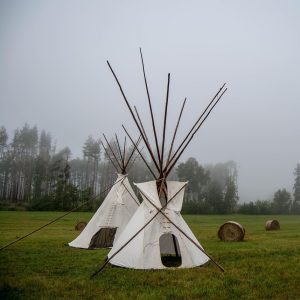
Which fabric should I choose?
We offer two types of fabric: Breathable PVC and 100% cotton canvas. PVC is more durable and weather-resistant, making it ideal for year-round use or in harsh conditions. The 100% cotton canvas option is breathable and provides a more natural feel.
What size tipi do I need?
The size of the tipi depends on its intended use and the number of occupants. You can find a detailed guide on our Table of Use.
Has the tipi been treated?
Yes, our tipis are treated with impregnation to enhance their durability and moisture resistance, ensuring they last longer and provide better protection against the elements. However, this treatment diminishes over time, so it’s recommended to renew it periodically for the longevity of your tipi.
Is the tipi rainproof?
Our tipis are designed to be water-resistant and offer protection against rain. For extended exposure to harsh weather, we recommend adding a top cover or an interior rain catcher to prevent any droplets from sliding down the poles.
How do you ensure safety with an indoor fire?
To ensure proper ventilation and safety, our tipis are designed with a smoke hole at the top and adjustable flaps. These features help ventilate smoke and maintain air quality inside the tipi. It’s important to use fire responsibly and keep it at a manageable size.
What would you recommend for building a floor?
There are several options for tipi flooring:
- Ground Level: Place the tipi directly on tight ground and use a groundsheet or tarp as a base layer for moisture protection and comfort. Adding rugs or carpets provides insulation and enhances aesthetics.
- Gravel Base: A layer of gravel or sesame stones can provide a solid foundation.
- Permanent Setup: For a more durable setup, consider wooden flooring or even polished concrete.
What is a tipi?
A tipi is a traditional Native American dwelling with a conical shape, made from sturdy materials like canvas and wooden poles. It’s designed to provide protection and comfort in harsh natural conditions.
Are tipi tents good for winter camping?
Yes, tipi tents can be suitable for winter camping if equipped with an appropriate heating source, such as a tipi stove and a liner (inner skirt). The conical shape helps retain warmth effectively.
Can you build a tipi yourself?
Yes, you can build a tipi yourself with the necessary tools and materials. We provide a step-by-step guide to assist you. For larger tipis, it’s advisable to have additional help. Following the instructions carefully ensures better maintenance and longevity.
Where can I buy a tipi tent?
You can purchase a tipi from us at TipiTrails.
How many people can fit in a 5-meter tipi tent?
A 5-meter tipi tent can comfortably sleep 4 to 6 people, depending on the interior arrangement. It can also accommodate up to 16 people for ceremonies or singing circles around the fire.
What is the difference between a canvas and a synthetic tipi tent?
Canvas is natural and breathable, while synthetic (PVC) tents are lighter, more water-resistant, require less maintenance, and are much more mold-resistant.
How to maintain and clean a tipi tent?
Check out our maintenance guide.
Can you have a fire inside a tipi tent?
Yes, you can have a fire inside a tipi. It’s highly recommended. Ensure you use an appropriate stove or other heating methods and maintain proper ventilation.
Do the tipi tents you sell come with poles?
No, our tipi tents do not come with poles. However, we provide detailed instructions and recommendations for the type, length, and number of poles needed, so you can easily set up your tipi with the best materials available in your area.
Do the tipi tents you sell come with poles?
No, our tipi tents do not come with poles included. However, we provide detailed instructions and recommendations for the type length and number of poles, so you can easily set up your tipi with the best materials available in your area.
Which fabric should I choose?
We offer two types of fabric: PVC and 100% canvas. PVC is more durable and resistant to weather, making it a good choice for year-round use or harsh conditions. The 100% canvas option is breathable and offers a more natural feel, suitable for a more traditional experience.
What size tipi do I need?
The size of the tipi you need depends on the intended use and number of occupants. For individual or couple use, a smaller size (around 3-5 meters in diameter) might be sufficient. For family gatherings or larger groups, consider a size between 6-10 meters in diameter.
Has the tipi been impregnated?
Yes, our tipis are treated with impregnation to enhance their durability and resistance to moisture, ensuring they last longer and provide better protection against the elements.
Is the tipi rainproof?
Our tipis are designed to be water-resistant, providing protection against rain. However, the level of water resistance can vary depending on the fabric chosen. The PVC fabric offers better water resistance compared to the 100% canvas.
How do you avoid suffocation from the fire?
To ensure proper ventilation and safety, our tipis are designed with a smoke hole at the top and adjustable flaps. These features help to ventilate smoke and maintain air quality inside the tipi. It is also important to use the fire responsibly and keep it at a manageable size.
What would you recommend for building a floor?
For a comfortable and practical floor inside the tipi, we recommend using a groundsheet or tarp as a base layer. This provides a moisture barrier and adds comfort. You can then add rugs or carpets for insulation and aesthetics. For a more permanent setup, wooden flooring can also be considered.
What is a tipi?
A tipi is a traditional Native American dwelling with a conical shape. It is made from sturdy materials like canvas and wooden poles, designed to provide protection and comfort against harsh natural conditions.
What is the difference between a tipi and a “teepee”?
“Tipi” is the traditional spelling in many Native American languages, while “teepee” is a more modern, anglicized version. Both refer to the same conical dwelling.
How much does it cost to build a tipi?
The cost of building a tipi varies depending on the materials and size.
Are teepee tents worth it?
If you’re seeking a unique and immersive experience with nature, a teepee tent can be an excellent choice. It provides a sense of comfort and simplicity that many find valuable.
Are tipi tents good for winter camping?
Tipi tents can be suitable for winter camping if equipped with an appropriate heating source, such as a tipi stove. The conical shape helps retain warmth effectively.
How did Indians stay warm in tipis?
Heat is maintained primarily by using a central stove or fire pit within the tipi. The conical shape helps distribute warmth evenly throughout the space.
Why are there 13 poles in a tipi?
The number 13 is a traditional symbol of strength and stability. The poles provide robust support for the tipi structure.
Why do tipis face east?
The entrance of a tipi traditionally faces east to capture the morning sun and avoid excessive heat from the evening sun.
How did they keep rain out of tipis?
Tipis are designed to be waterproof due to the sturdy fabric and proper stitching. The conical shape helps direct rain away from the entrance.
What are the disadvantages of teepee tents?
The main disadvantages include potential high costs if purchasing a professionally made tipi and the need for regular maintenance to ensure its longevity.
Are tipi tents good in the wind?
Tipi tents can be stable in moderate winds, but it’s essential to ensure they are properly secured and anchored to withstand strong gusts.
Can you build a tipi yourself
Yes, you can build a tipi yourself if you have the necessary tools and materials. There are guides and artisans available to assist if needed.
What is the difference between a tipi and a wigwam
A tipi is a conical structure, while a wigwam is a domed, round building. Both are traditional but differ in shape and construction methods.
What are the benefits of a tipi tent compared to a regular tent?
A tipi tent offers more internal space and a stronger connection to nature, as well as greater height for added comfort.
Where can I buy a tipi tent?
You can purchase a tipi tent from online retailers, specialized camping stores, or local artisans who specialize in tipis.
How many people can fit in a 5-meter tipi tent?
A 5-meter tipi tent can comfortably accommodate between 4 to 6 people, depending on the interior arrangement and design.
What is the difference between a canvas and a synthetic tipi tent?
Canvas is durable and breathable, while synthetic tents are lighter and more water-resistant.
How to maintain and clean a tipi tent?
Regularly clean the tipi with a soft cloth and water. Ensure it is kept dry and stored in a shaded area to prevent deterioration.
Can you have a fire inside a tipi tent?
Yes, you can have a fire inside a tipi, but it’s essential to use an appropriate stove or heating method and ensure proper ventilation.
With blessings for health and success
Barak and Adi